The Blog
What To Do With Inherited Jewellery In The UK
A practical, calm guide to understanding, valuing and deciding what to do with inherited jewellery, written for families handling estates and unexpected finds.
8 minute read · Updated May 2026 · Expert reviewed by Antique Sellers Club Team
Start here
First Things First: Don't Rush Into Selling
Most people inherit jewellery unexpectedly, and many feel pressure to make quick decisions. There's no need. A few simple steps before anything leaves the house will protect both the items and your options.
- Take photographs of every piece before moving anything.
- Keep items together, don't separate sets, pairs or collections.
- Don't throw away boxes, pouches, receipts or paperwork.
- Don't assume costume jewellery has no value, some pieces do.
What we actually see
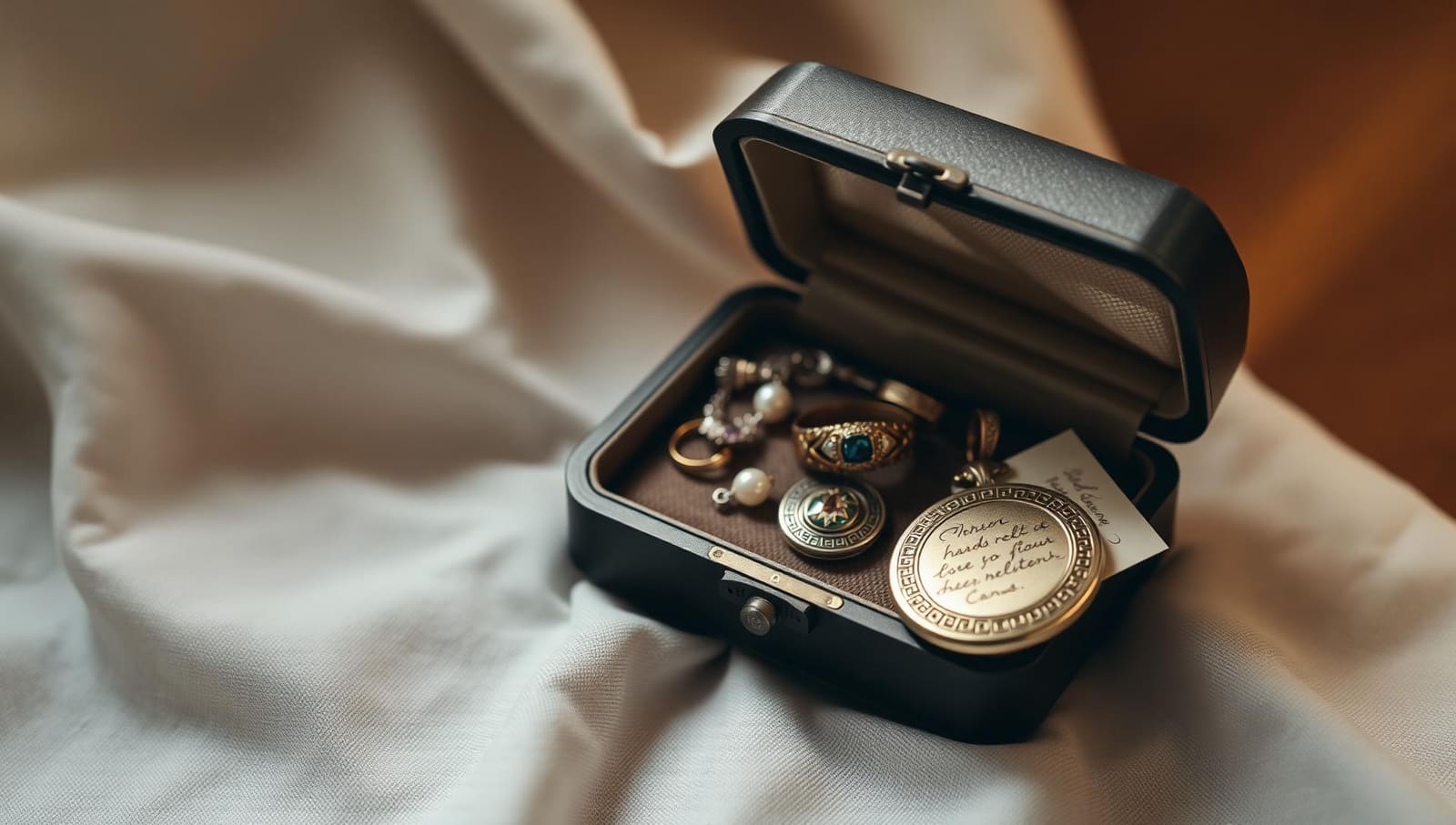
Some of the most valuable jewellery we see arrives in old biscuit tins, bedside drawers and inherited jewellery boxes.
Start By Sorting What You Have
Four simple groups. Tap any category to expand.
Signs Jewellery May Be Worth Investigating Further
Hallmarks
Tiny stamps that confirm metal, purity and origin.
Maker's Marks
Initials or signatures of recognised jewellers and silversmiths.
Older Craftsmanship
Hand-finished detail, hand-set stones, original solder lines.
Natural Gemstones
Period cuts and inclusions can indicate genuine, untreated stones.
Original Boxes
Branded boxes and pouches add significant context and value.
Family Provenance
Letters, photographs and receipts that link a piece to a person.
What to avoid
The Biggest Mistakes People Make
- 1
Mistake 1
Selling too quickly, before anything has been properly identified.
- 2
Mistake 2
Assuming broken jewellery has no value, gold and silver still weigh in.
- 3
Mistake 3
Throwing away paperwork, original boxes and small folded notes.
- 4
Mistake 4
Separating collections, sets and pairs that belong together.
- 5
Mistake 5
Using online asking prices as valuations, they are requests, not sales.
Which Situation Sounds Most Like Yours?
What Influences Jewellery Value?
Six factors our specialists consider on every piece, no fluff.
Age
Period of manufacture and date marks help place a piece in context.
Materials
Gold purity, sterling silver and platinum all behave very differently.
Hallmarks
Confirm metal, maker and assay office, small but decisive.
Condition
Original, untouched pieces almost always lead the market.
Maker
Signed and recognised makers add a meaningful premium.
Gemstones
Natural, untreated stones with period cuts stand out clearly.
“Inherited jewellery boxes almost always contain at least one piece the family never knew was there, a Victorian brooch, a period ring, something small but significant.”
Before you do anything
Should You Clean Inherited Jewellery?
Short answer: as little as possible. Over-cleaning is one of the most common ways inherited pieces lose value before they're even assessed.
- Light cleaning with a soft cloth is fine, gentle and dry.
- Avoid aggressive polishing, it can strip patina and reduce value.
- Never try to remove or re-strike hallmarks. Leave them exactly as they are.
- Don't soak or scrub pieces with delicate stones, pearls or enamel.
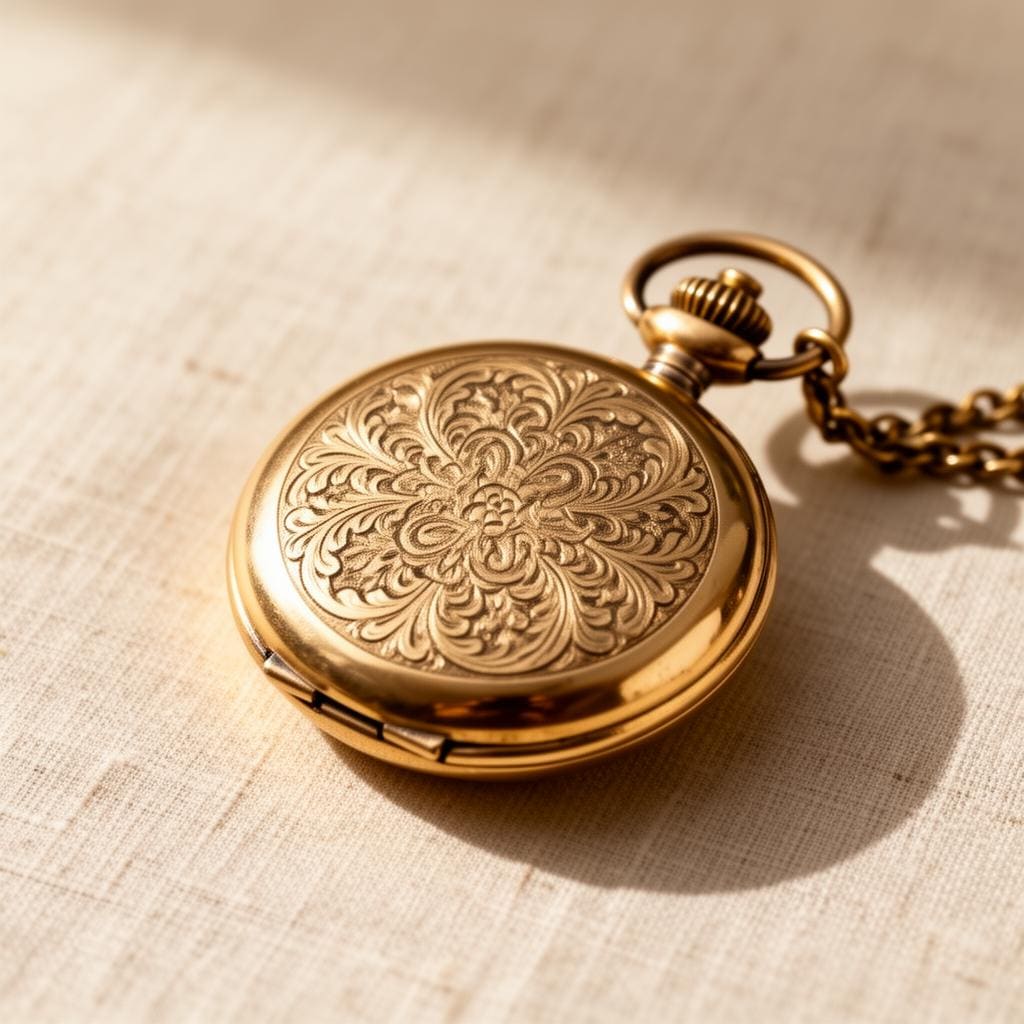
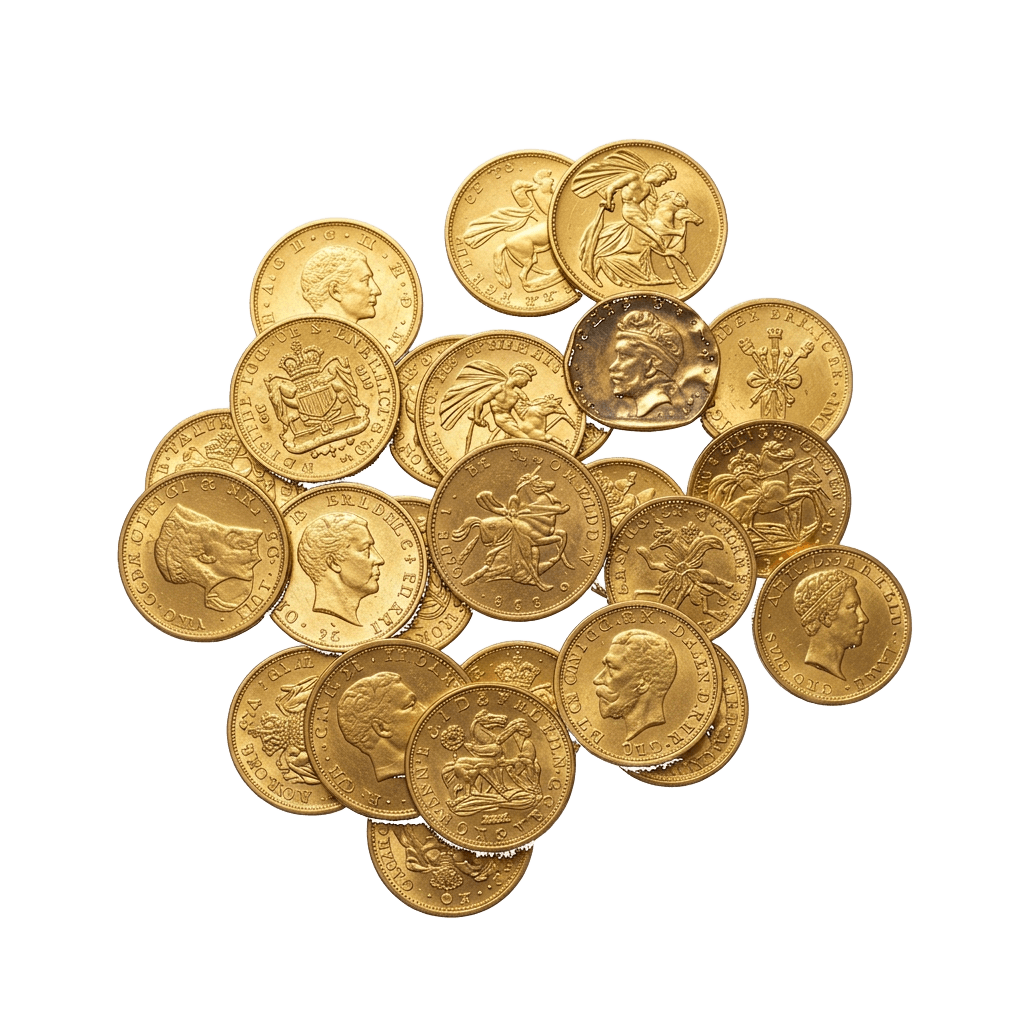
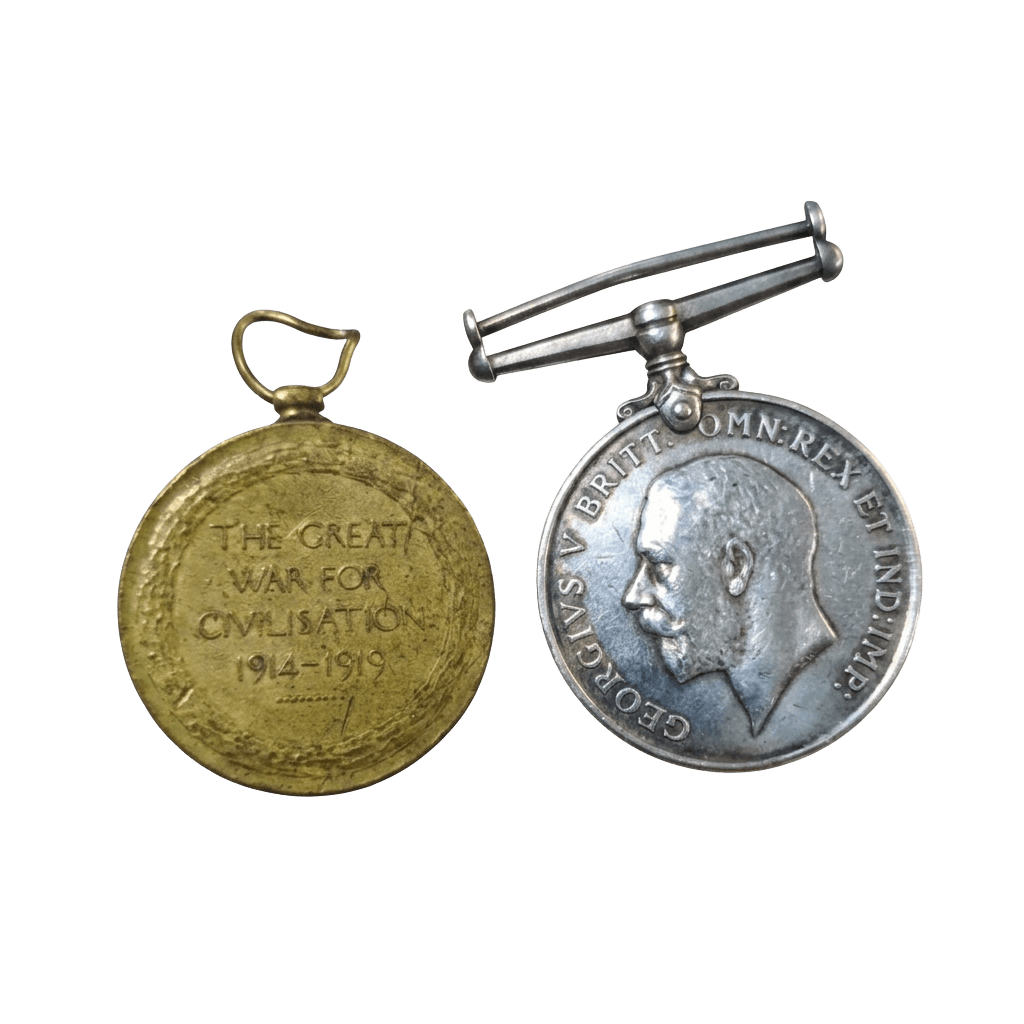
Related Categories We Buy
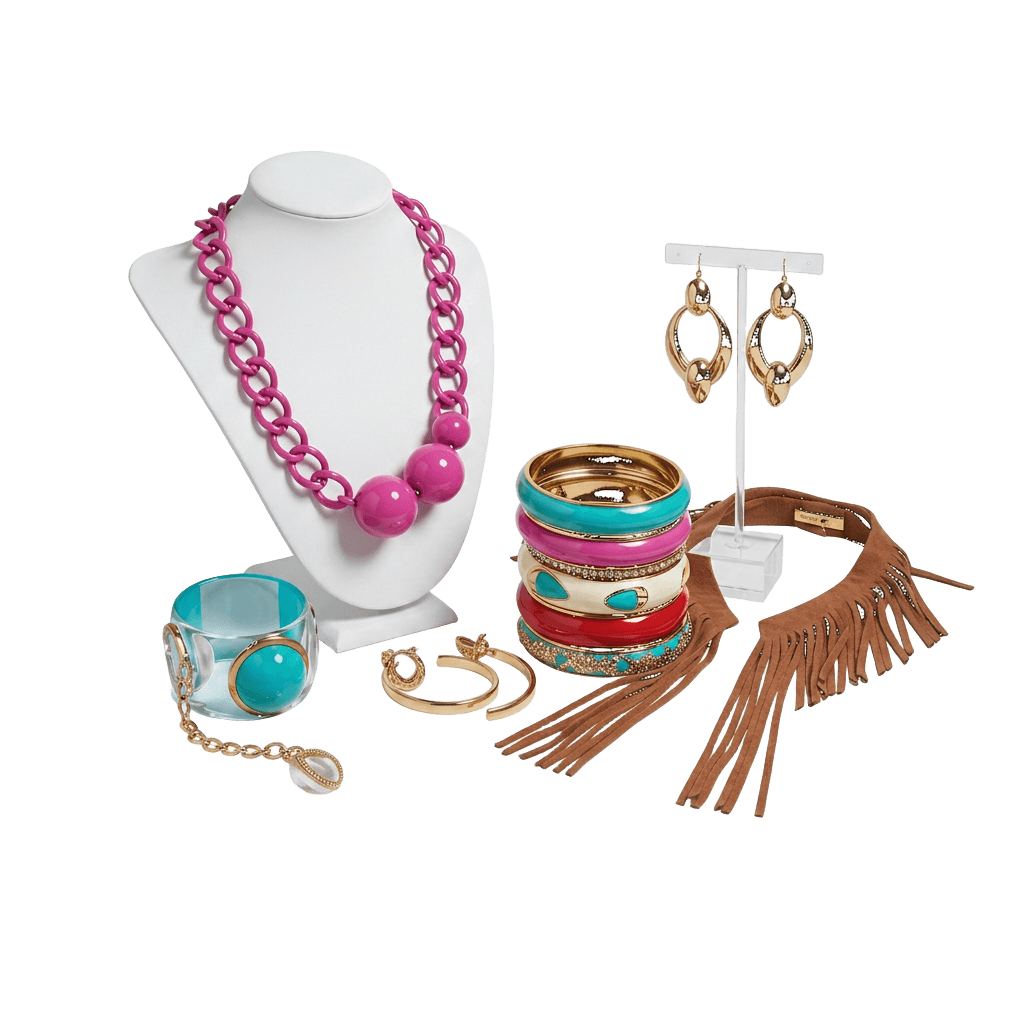
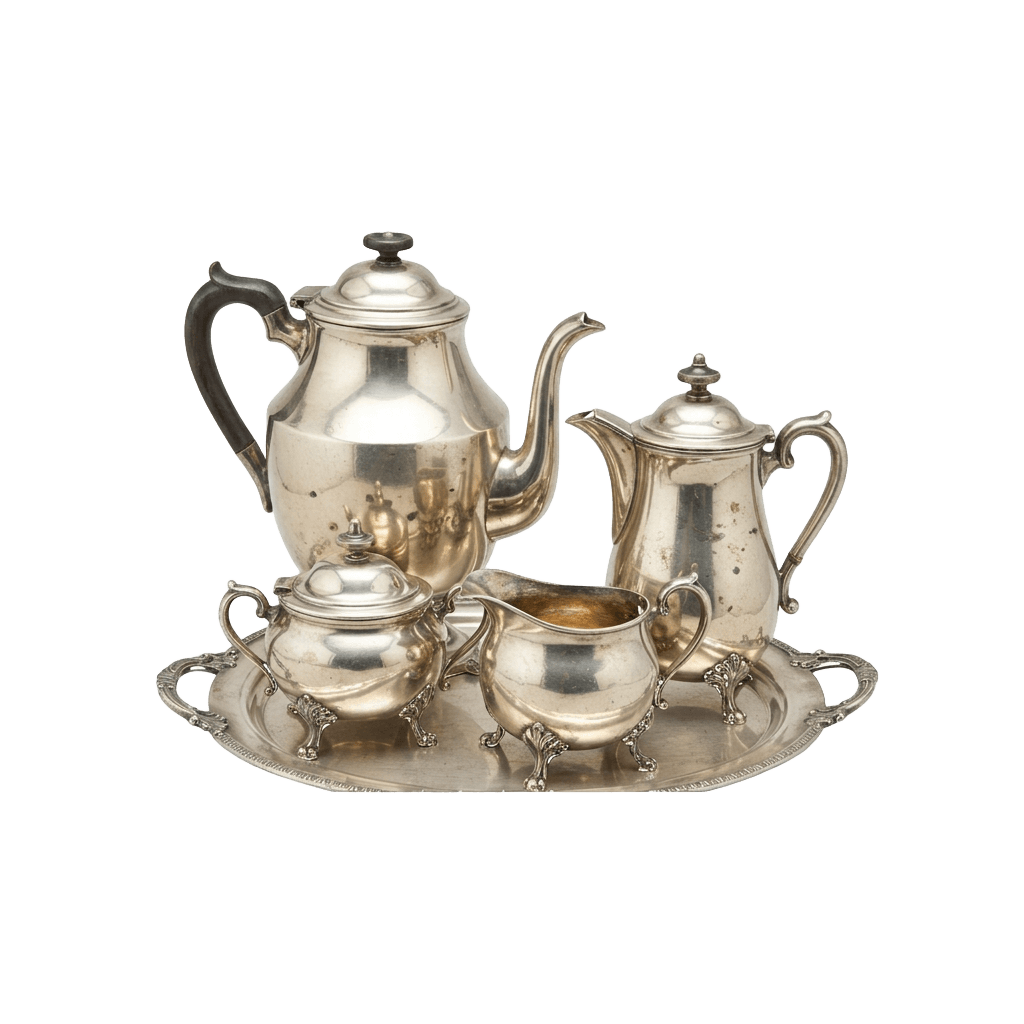
Inherited collections rarely contain only one type of item. We assess across every category below.
Frequently Asked Questions
Look for hallmarks, maker's marks and original boxes, but the only reliable answer is a specialist assessment. Many valuable pieces look entirely ordinary.
Yes. Signed mid-century pieces, Bakelite, paste sets and certain designer brooches all have active collector markets.
No. Light dusting with a soft cloth is fine, but aggressive polishing or chemical cleaning often reduces value. Send pieces as you found them.
That's perfectly normal, and exactly what specialists are for. Many inherited stones are natural, but identification requires proper inspection.
Yes. Inherited jewellery is one of the most common categories we assess. Single pieces, jewellery boxes and full estate collections are all welcome.
Often, yes. Broken gold is still gold. Damaged sterling silver still carries weight. Some collector pieces hold real value even with wear.
Unsure What You've Inherited?
You don't need to identify every piece before getting expert advice. Our specialists assess inherited jewellery collections every day.