The tiny mark that can change everything
Imagine two gold rings.
Same colour. Same weight. Same appearance.
One is 9ct gold. One is plated.
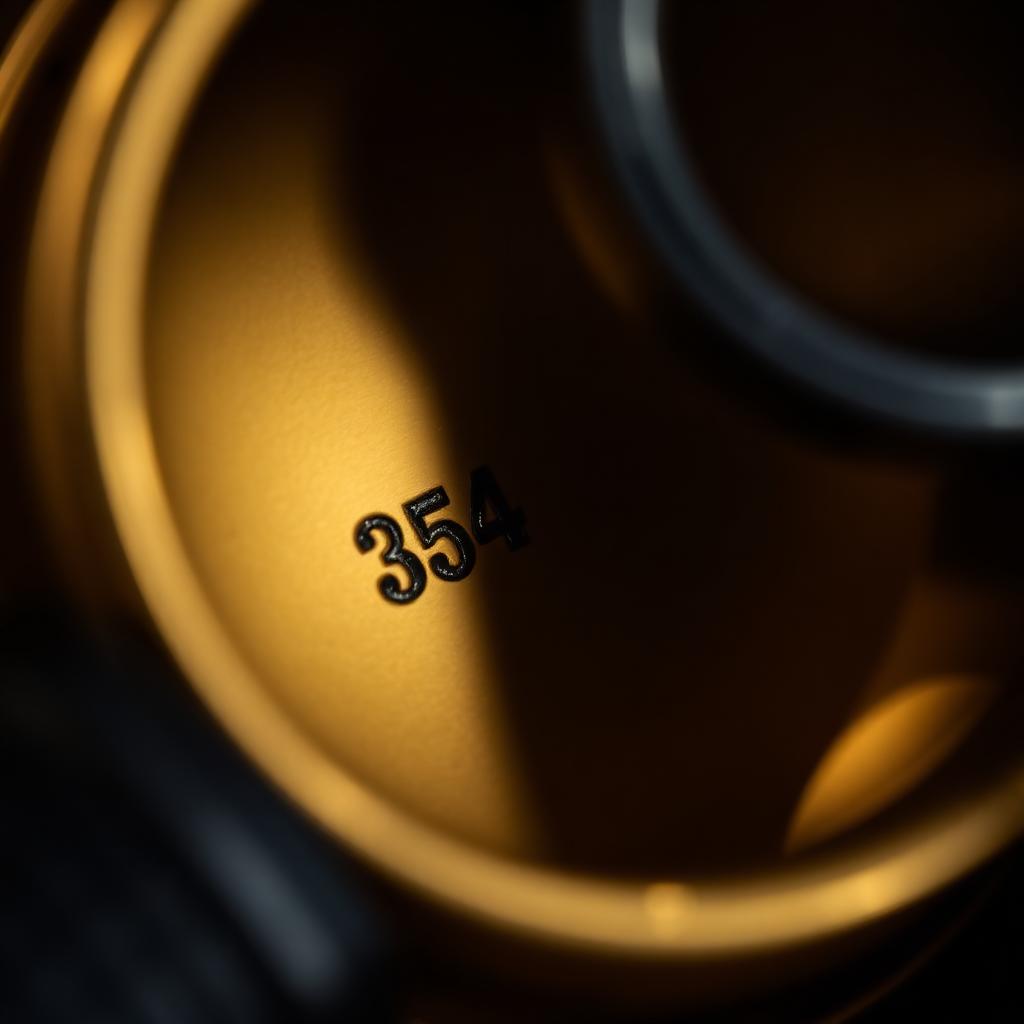
To most people they look identical. To a dealer they're completely different objects. One may be worth hundreds. The other may be worth virtually nothing. And the difference often comes down to a stamp barely larger than a pinhead.
That's why hallmarks matter. In this lesson we're going beyond basic antique identification and diving into one of the most practical skills in the trade: learning to read jewellery hallmarks like a professional.
1. Why hallmarks exist in the first place
Most beginners assume hallmarks were created for collectors. They weren't. They were created because people have been cheating each other for centuries.
Throughout history dishonest traders plated base metals, diluted gold and sold inferior silver as genuine precious metal. Governments realised that trust was essential if precious metals were going to be traded fairly.
The solution was independent testing, verification and stamping. The hallmark became proof that somebody other than the seller had verified the metal. That changed everything.
2. The biggest mistake new collectors make
Colour does not tell you purity.
Gold colour can deceive. Silver colour can deceive. Platinum colour can deceive. Visual appearance alone is never enough. Experienced dealers never trust colour. They verify. Always.
3. The first thing I look for
"When somebody places a piece of jewellery in front of me, I don't immediately think about value. I don't think about gemstones. I don't think about design. I start looking for marks. Because those marks usually tell me more than the jewellery itself."
4. Understanding gold hallmarks
375
9 ct gold
37.5% pure.
585
14 ct gold
58.5% pure.
750
18 ct gold
75% pure.
916
22 ct gold
91.6% pure.
The number is the parts-per-thousand of pure gold. Purity affects value, colour, weight and durability, which is why different countries favour different standards. The UK and US lean toward 9ct and 14ct for everyday wear; the Middle East and Asia favour 18ct and 22ct as a store of wealth.
5. Why 18ct doesn't always mean better
Higher purity gold is softer, scratches more easily and bends out of shape faster. For a ring you wear every day, 9ct or 14ct is often the more practical choice, and will outlast 22ct on the same hand.
Higher purity doesn't automatically mean better ownership. It means more pure metal, a different question entirely.
6. Understanding silver hallmarks
925
Sterling silver
The British and global standard.
800
Continental silver
Common across mainland Europe.
958
Britannia silver
Higher purity, softer metal.
Most collectors never learn this properly. They assume "silver is silver". It isn't, and the difference between 800 and 958 is the difference between a Continental piece and a high-grade British one.
7. Platinum: the forgotten precious metal
PT950
95% platinum
The jewellery standard.
PT900
90% platinum
Often older or American pieces.
Platinum is denser than gold, which is why a platinum ring often feels noticeably heavier than a gold one of the same size. It's harder wearing, hypoallergenic and rarer in the ground.
8. Hallmarking vs quality
A hallmark does NOT guarantee quality.
A hallmark confirms purity. It does not confirm:
- Craftsmanship
- Design
- Gemstone quality
- Condition
9. The hallmark treasure hunt, where to look
Rings
Inside the band, usually near the join.
Chains
On the clasp or the tag next to it.
Bracelets
On a clasp link or one of the end fittings.
Brooches
On the rear fittings or pin assembly.
Pendants
On the bail, loop or rear of the mount.
10. The marks that confuse everyone
If you only remember one rule: anything containing the word plate, plated, or rolled is not solid precious metal.
11. What if there's no hallmark?
No hallmark does not automatically mean fake. There are several legitimate reasons a piece may be unmarked:
- Age, many older pieces predate modern hallmarking laws.
- Wear, the mark has rubbed off through generations of use.
- Resizing, the marked section was cut out during alteration.
- Repairs, the mark sat in an area replaced by a jeweller.
- Foreign manufacture, some countries don't require hallmarks at all.
12. The dealer's verification process
Acid testing gives a quick read on surface metal. XRF analysis (a non-destructive X-ray fluorescence scan) tells you the precise alloy composition in seconds. Formal assay is reserved for valuable or contested pieces. Hallmarks are the first filter, not the final answer.
13. Real-world examples
Example 1, Gold ring marked 375
9ct gold. Genuine precious metal, but only 37.5% pure.
Example 2, Chain marked 750
18ct gold. Twice the precious-metal content of the first piece.
Example 3, Bracelet marked GP
Gold plated. Virtually no intrinsic metal value, only its design and brand matter.
14. Five questions before buying any jewellery
- 1.Is it hallmarked?
- 2.Is the hallmark readable?
- 3.Is the mark consistent with the claimed age?
- 4.Has it been independently tested?
- 5.Are there signs of repair or alteration?
Final thoughts from our experts
Hallmarks are one of the greatest gifts the antiques and jewellery trade has ever been given. They don't tell you everything. But they give you a place to start.
Every experienced dealer I've ever known begins in the same place: find the mark, understand the mark, verify the mark. Only then do you begin talking about value. Because in this trade, certainty is always worth more than assumptions.
Key takeaways
- Gold: 375 / 585 / 750 / 916 = 9 / 14 / 18 / 22 ct.
- Silver: 925 sterling, 800 continental, 958 Britannia.
- Platinum: PT950 and PT900 are the standards.
- GP, HGP, rolled gold and EPNS are plated, not solid.
- A hallmark proves purity, not quality, design or condition.
- No hallmark doesn't mean fake. It means test it.
- Find the mark. Understand it. Verify it. Then talk value.
Questions About This Lesson?
Leave a comment, ask an expert a follow-up question, or suggest a future lesson. Approved comments appear below to help the wider learning community.