Introduction
One of the questions I get asked most often is: "If you had my budget, what would you buy?" The answer is never straightforward. The best purchase isn't always the most expensive, nor necessarily the rarest.
The best purchases usually sit at the point where:
- Demand is strong.
- Supply is limited.
- Knowledge creates opportunity.
In this lesson I'm going to walk through how I'd approach three very different budgets. Not because these are the only answers, but because they show how experienced dealers think.
Part 1, What I'd buy with £500
The beginner collector budget
Don't chase masterpieces. At £500, buy knowledge, not trophies.
This is where most people go wrong. £500 isn't enough to buy museum-quality antiques. But it's more than enough to buy knowledge, and knowledge often outperforms money.
£500, five categories I'd genuinely look at
1. Military medals
Many remain underappreciated. Research, provenance and stories all create value, and a beginner can still find real opportunities.
2. Pocket watches
Particularly silver pocket watches, railway watches and lesser-known makers. Huge educational value for the money.
3. Fountain pens
Parker, Waterman, Conway Stewart. Often overlooked by the wider market but with a strong, loyal collector base.
4. Masonic regalia
One of the most misunderstood markets. Many buyers ignore it entirely. Collectors do not.
5. Mixed antique lots
Possibly the biggest opportunity of all. Beginners chase individual pieces. Dealers buy collections.
What I wouldn't buy at £500
Furniture
Transport, restoration and storage costs swallow this budget quickly.
Trendy decorative pieces
Trends move on. The premium evaporates.
Anything needing expensive restoration
The bill always exceeds the estimate. Always.
Lesson: at £500, you are buying education as much as objects. Treat every purchase as a course you can resell at the end of it.
Part 2, What I'd buy with £5,000
The serious collector budget
This is where things become interesting. Now you can start targeting categories with proven demand, established markets and genuine liquidity.
£5,000, five categories worth your time
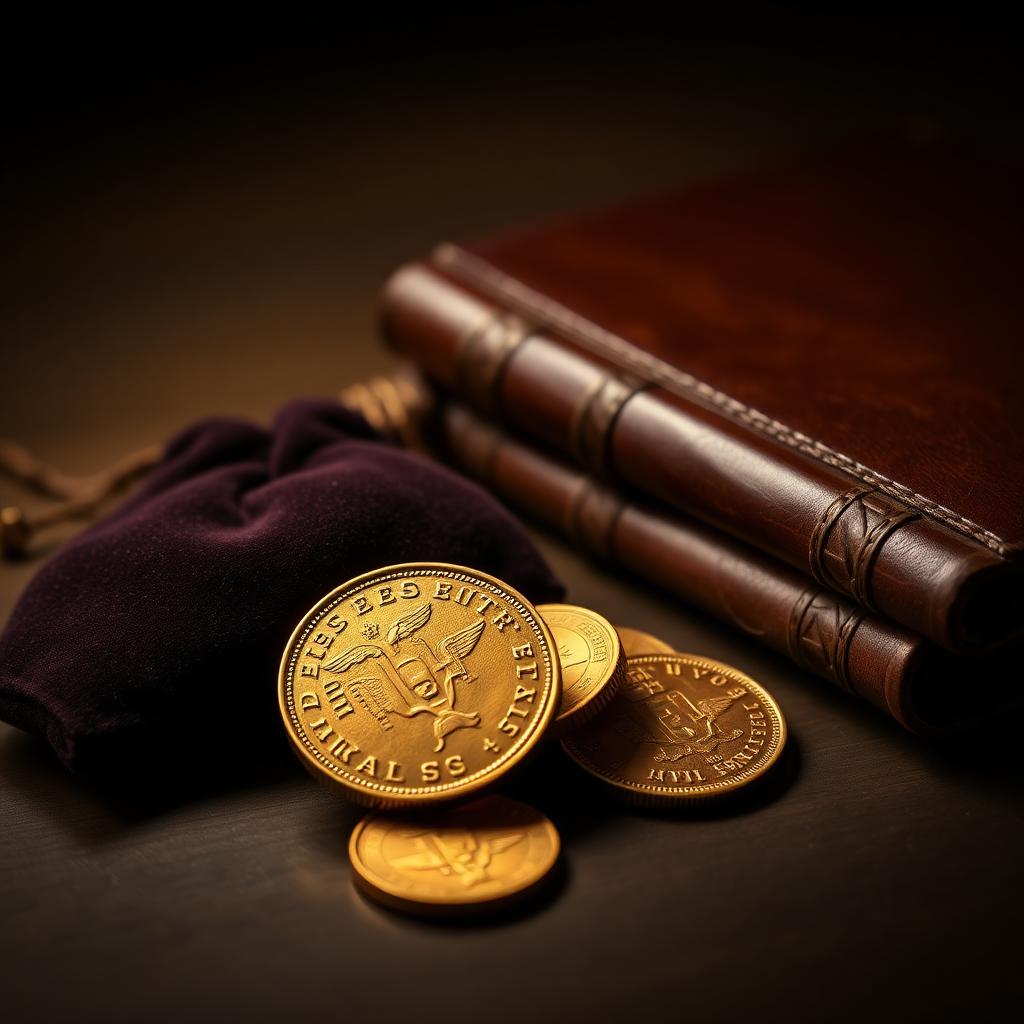
1. Gold sovereigns
International market, easy liquidity, historical interest. Hard to go badly wrong if you buy carefully.
2. Vintage Omega watches
Especially Seamaster and Constellation models. Huge collector appeal and a deep, global buyer pool.
3. Better medal groups
Named groups with documented history and strong provenance, not loose, unattributed singles.
4. Quality silver
Not random silver. Interesting silver, good makers, interesting forms, period workmanship.
5. Specialist collections
Entire collections often outperform individual purchases, and reach beyond your own knowledge.
The big £5,000 mistake
Many people with £5,000 buy twenty £250 items. I'd rather own five exceptional objects than twenty average ones.
Lesson: at £5,000, quality starts to matter more than quantity. Concentration of capital into fewer, better pieces is usually the right call.
Part 3, What I'd buy with £50,000
Thinking like a professional
Now we're not really collecting. We're allocating capital. A different mindset entirely.
£50,000, how a professional would split it
1. Exceptional watches
Rolex. Patek Philippe. Audemars Piguet. Historic Omega. Not because they're fashionable, because they have global demand.
2. Museum-level medal groups
The very best pieces rarely become cheaper. Real top-of-market objects compound in value over time.
3. Important provenance
Objects connected to people, events, places and stories. History is where the real premium lives.
4. True rarity
Actual rarity, not seller rarity. Documented scarcity backed by auction records and reference books.
5. The opportunity fund
Keep part of the £50,000 unspent. Opportunities appear unexpectedly. Cash allows action.
The £50,000 mistake
Many wealthy collectors buy emotionally, they fall in love with a piece and pay through the nose. The best dealers stay disciplined. Love the object, but price it like a professional.
What I would never do, at any budget
Regardless of whether the cheque is for £500 or £50,000, I won't buy:
- 1.Things I don't understand.
- 2.Things I can't authenticate.
- 3.Things I can't explain to a buyer in one sentence.
- 4.Things with questionable provenance.
Those four rules have saved me more money over the years than any single great purchase ever made.
Final thoughts from our experts
Budget changes the categories you can play in, but it doesn't change the principles. At £500, you're paying for education. At £5,000, you're paying for quality. At £50,000, you're paying for rarity, provenance and the discipline to wait for the right opportunity.
The dealers who do this well aren't necessarily the ones with the biggest budgets. They're the ones who know exactly what they're buying, and exactly why.
Key takeaways
- Best purchases sit where strong demand, limited supply and your knowledge overlap.
- At £500, buy knowledge and overlooked categories, not trophies.
- Avoid furniture, trends and restoration projects with a small budget.
- At £5,000, prefer five exceptional objects to twenty average ones.
- Sovereigns, vintage Omega and named medal groups all offer real liquidity.
- At £50,000, you're allocating capital, discipline beats emotion.
- Keep an opportunity fund. Cash is itself an asset in this market.
- Never buy what you can't understand, authenticate, explain or evidence.
Questions About This Lesson?
Leave a comment, ask an expert a follow-up question, or suggest a future lesson. Approved comments appear below to help the wider learning community.